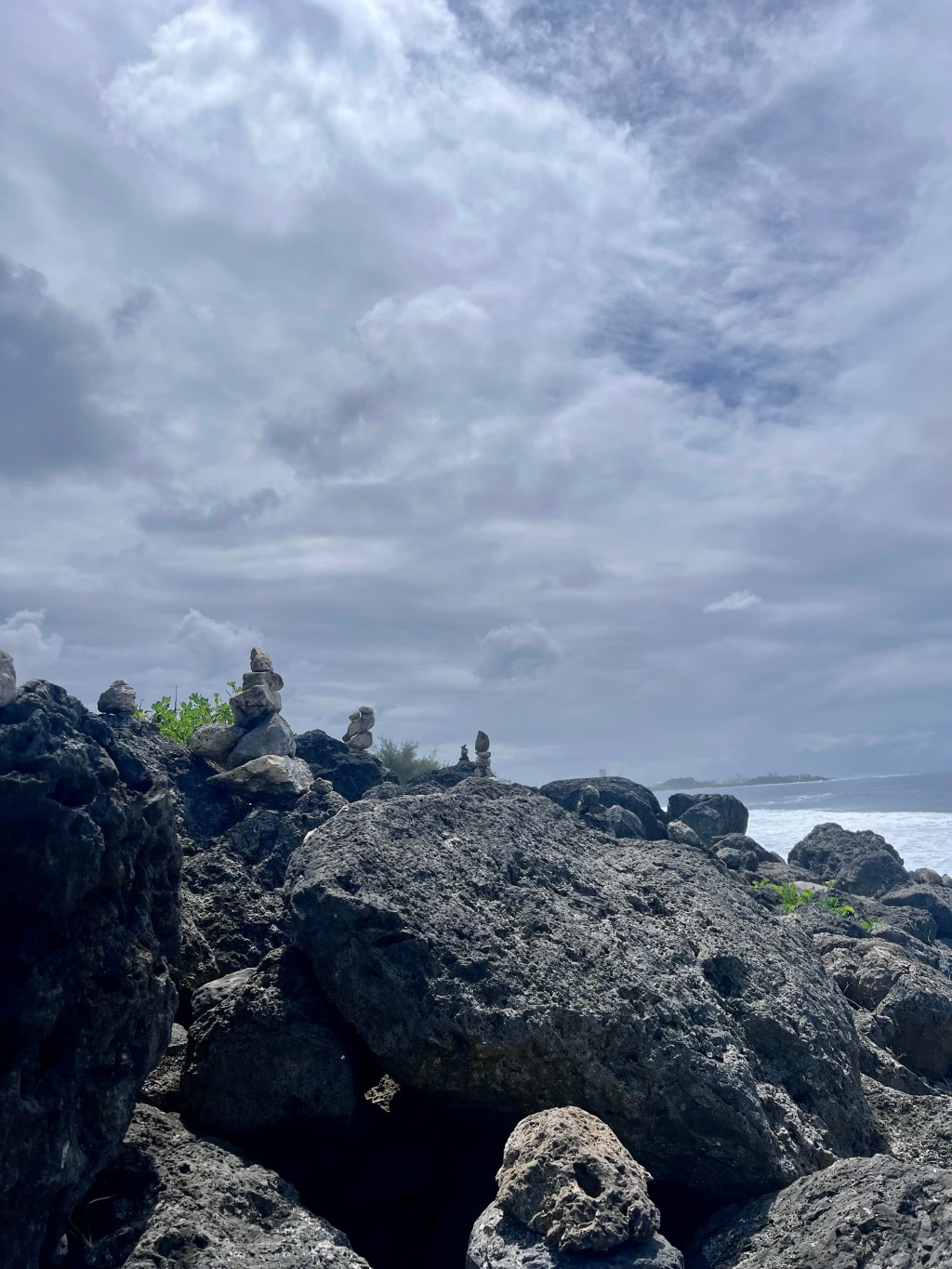
How does one find balance in a busy world? Spoiler alert – I am still searching for the answer to this question. Fast paced environments and busy days have always comforted me, but recently I have been rethinking that mentality. Focusing on what is happening around me instead of what I am currently stressing out about feels easier than taking time to slow down. I have started to realize how that mindset can negatively impact my life.
There has been this continuous social pressure following me since childhood. Somewhere along the way, I started to associate a full schedule with achievement. If you’re busy, you must be successful – right? Now this mindset may have worked when I was a kid working on learning my shapes and going to soccer practice. But as I got older, I started to experience major burn out. Suddenly, I was managing a varsity swim schedule, school, work, friendships, and family dynamics. What is missing in that equation? Balance.
What I didn’t realize was that my need to be busy wasn’t always led by passion — sometimes it was about simply not wanting to miss out.
The term FoMO, or fear of missing out, was many times what stopped me from taking time for myself. As an extrovert, my need to socialize and maintain a busy schedule always seemed to win. In a study published by the National Library of Medicine researchers explain, “FoMO includes two processes; firstly, perception of missing out, followed up with a compulsive behavior to maintain these social connections.” Reading that made me feel seen. That constant need for social connection started to hurt me more than it helped. My need for rest began to become more intense, and as I moved closer to college, I knew it would be important to find ways to rest. I needed to find a balance.
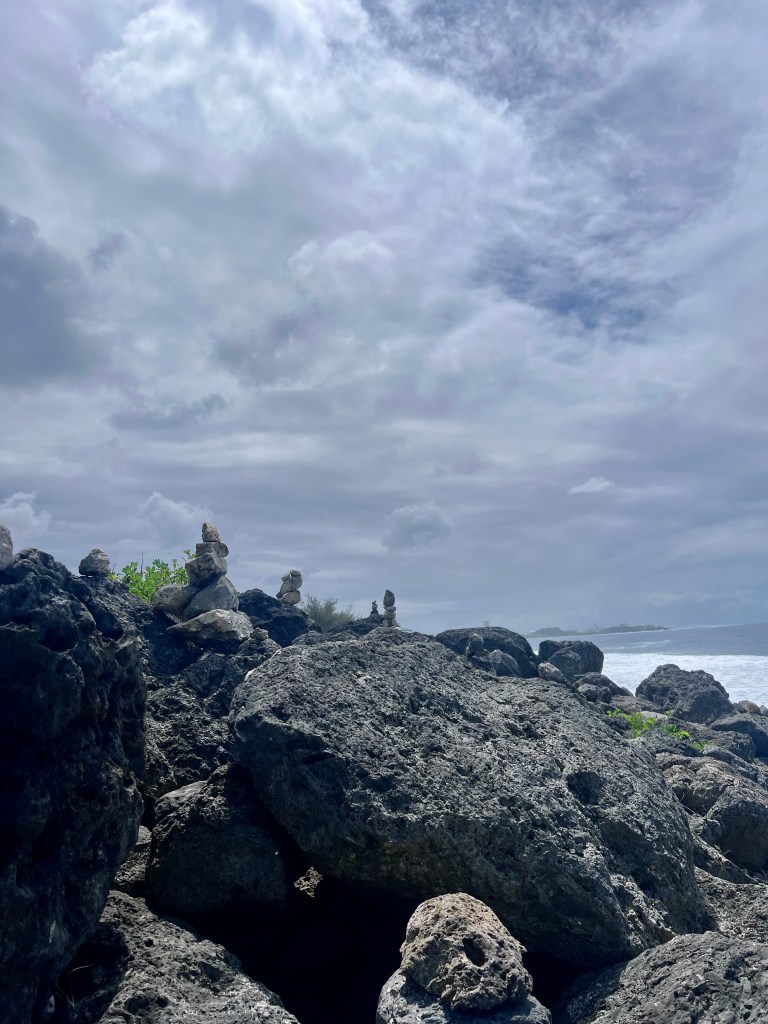
Why this blog?
I want to open a conversation about balance, ultimately creating a space where it’s okay to struggle. Finding balance is a journey, and likely something we will all have to work at for more than just a few months. This blog will be honest and share my personal experiences, but I too am still actively working to find balance. Additionally, what balance looks like to me may be far from what it looks like for you. So, I invite you to spend some time thinking about what balance looks like to you? What does it feel like? These answers may change overtime, but I thank you for hearing what it is looking like (and not looking like) in my own life.
Reference
Gupta, M., & Sharma, A. (2021). Fear of missing out: A brief overview of origin, theoretical underpinnings and relationship with mental health. World journal of clinical cases, 9(19), 4881–4889. https://doi.org/10.12998/wjcc.v9.i19.4881
 Mari Pangelinan
Leave a comment