It is no secret that we, as a society, have become reliant on our screens. The American Psychological Association reports that teens spend, on average, 4.8 hours a day on social media. This doesn’t surprise me – between school, social media, texting, and of course mindless scrolling I use my phone for basically everything.
Reaching for my phone has become this built-in time filler integrated into nearly every task. Now don’t worry this isn’t going to be a post on how we should all get off our phones forever. I do believe there are certain benefits to using our phones. But recently, I have been questioning how can I unplug without feeling like I’m missing everything?
NPR reported that 91% of people felt better after blocking the internet from their phones for just two weeks. As a college student, I’m not sure this was a realistic path for me to help break the doom-scrolling habits, but this opened my eyes to what a small change can do.
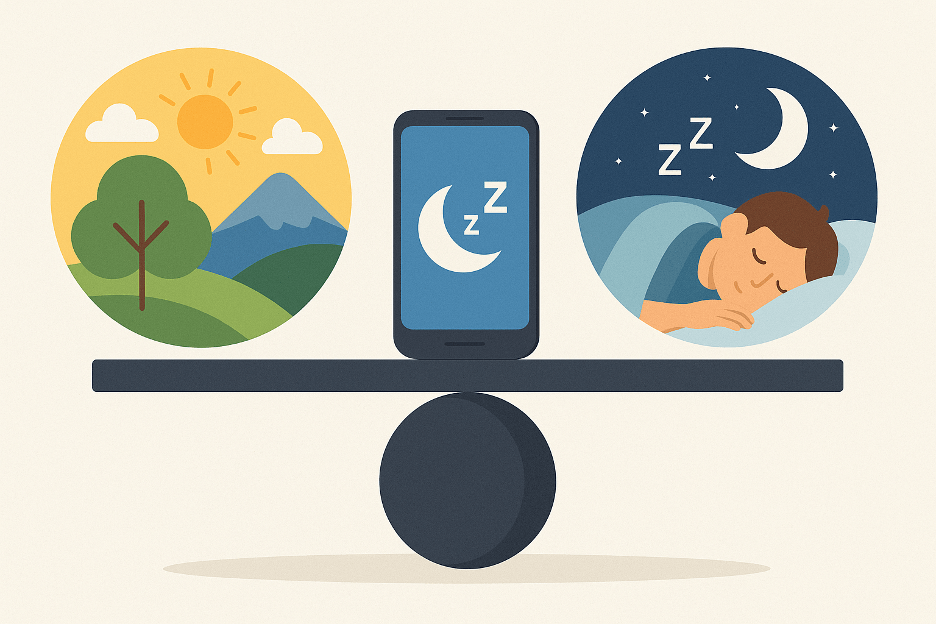
My Mini Detox
When Lent came around, I decided to give up social media at night. This felt like a good step toward living life a bit more unplugged. I had my roommate create a screentime password and lock my apps to hold myself accountable. I knew this would be challenging but I didn’t anticipate struggling as much as I did.
Turning off my phone at night was actually a relief. This allowed me to focus on my nighttime routine and prepare for the next day. The challenge came when I’d wake up in the middle of the night and didn’t have TikTok to scroll through to fall back asleep. With social media blocked, I found myself scrolling through anything and everything I could find on my phone. This was the moment I realized I needed this push toward being unplugged.
Although this was hard there were other aspects of this that helped me build space between my phone and the urge to scroll. Now, I find myself assuming that screen time notification is about to pop up each night – and sometimes I even wish it did.
I have learned that yes, I might be the “screenager” I tried so hard not to become. But also, being unplugged doesn’t have to happen overnight. Slowly phasing out habits that are blocking you from connecting with others can be the first step to finding your balance in being unplugged.
Here are 5 things that helped me replace scrolling
- Listen to a podcast.
- My go to podcast has been the Mel Robbins podcast, this allowed me to focus on something else without having to stare at a screen.
- Go on a walk or move your body!
- I find myself feeling antsy without the mindless scrolling. A five-minute meditation, walk, or yoga helped me clear my head and get out some energy.
- Leave your phone at home (when you can).
- I get that having your phone on you can feel like a safety net. But when you’re with people you trust, try leaving that phone at home and connect with those around you.
- Read.
- It sounds basic, but picking up a book that is interesting to you (not an assigned reading) can act as a good way to reset your mind.
- Let your phone die.
- At times I find myself scared of my phone hitting 1% battery, but I have been trying to let it die and challenge myself to charge it only once a day. This acts as my own kind of “screen time” notification.
Balance doesn’t mean cutting technology out altogether. It means using your screens more intentionally. Even a brief time offline can make all the difference. And hey, you might even enjoy life a bit more unplugged. I encourage you to log off – just temporarily and tune in to what is around you.
 Mari Pangelinan